
Item trackers: what they find and what they will not

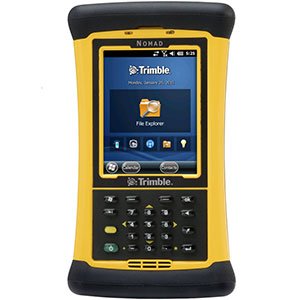
Item trackers have become increasingly popular for those who want to keep tabs on their belongings. Whether it’s your keys, wallet, or even your phone, these small devices can help you locate items quickly. Understanding how these trackers function is essential for setting realistic expectations about what they can and cannot do.
In this article, we will explore various aspects of item trackers, including network density, battery life, and card formats for wallets. We will also discuss how to set realistic expectations based on these factors. This will help you make informed choices when it comes to your tracking needs.
Understanding Network Density
Network density refers to the number of devices in a given area that can help locate your item. Many trackers rely on a network of users to function effectively. The more users there are in your vicinity, the better the chances of finding a lost item.
In urban areas, network density is usually high, which enhances the effectiveness of many tracking devices. In contrast, rural areas may have fewer users, making it challenging to locate items. When choosing a tracker, consider where you typically lose items to ensure it will work effectively in those locations.
Battery Life Considerations
Battery life is a crucial factor to consider when selecting an item tracker. Most trackers will require regular charging or battery replacements. Some models can last several months on a single charge, while others may only last a few weeks.
It’s important to evaluate how often you are willing to charge or replace the battery. If you frequently misplace items, a longer battery life can save you time and hassle. Always check the manufacturer’s information regarding battery performance to ensure it meets your needs.
Card Format for Wallets
Many trackers come in different formats, including card-like shapes designed to fit into wallets. This design offers convenience, allowing you to track your wallet without adding bulk. However, not all trackers are wallet-friendly.
When choosing a tracker for your wallet, ensure it fits comfortably without making the wallet too bulky. Look for slim designs that still provide strong tracking capabilities. Assess how often you typically misplace your wallet to determine if a tracker is a worthwhile investment.
Setting Realistic Expectations
While item trackers are beneficial, they are not foolproof. It’s important to understand their limitations. For instance, many trackers depend on Bluetooth technology, which has a limited range. This means that if you go too far from your item, the tracker may not be able to help you.
Additionally, trackers may not work well in areas with weak signals or interference. Be aware that while these devices can assist in locating lost items, they cannot guarantee recovery in every situation. Understanding these limitations will help you use them more effectively.
Using Trackers for Multiple Items
Many people wonder if they can use a single tracker for multiple items. While it is technically possible, it is not always practical. Most trackers are designed for one item at a time, and switching between items can be cumbersome.
If you frequently misplace various items, it might be better to invest in several trackers. This way, you can keep track of each important item without the hassle of constantly changing the settings. Evaluate your needs before deciding on a single or multiple tracker strategy.
Compatibility with Mobile Devices
Most item trackers connect to your smartphone via a dedicated app. Before purchasing a tracker, make sure it is compatible with your device’s operating system. Some trackers may work only with specific platforms, limiting your options.
Once you have the right tracker, familiarize yourself with the app’s features. Many apps provide additional functionalities, such as location history or alerts when you move out of range. Knowing how to use these features can enhance your tracking experience.
Advanced Features to Look For
Some trackers come with advanced features that can improve their usability. Look for options with geofencing, which allows you to set boundaries for your items. If you move out of the defined area, you’ll receive an alert.
Additional features may include integration with voice assistants or the ability to share tracking capabilities with friends and family. Assess what features are most important for your lifestyle to get the most out of your tracker.
Maintaining Your Tracker
To ensure your item tracker functions optimally, regular maintenance is necessary. This includes keeping the device clean and checking for software updates. Many manufacturers provide guidelines for maintenance, which can help prolong the life of your tracker.
Additionally, make sure to monitor the battery life and replace or recharge it as needed. Neglecting these maintenance tasks can result in decreased performance and reliability. A little care can go a long way in ensuring your tracker remains effective.
The short version
Item trackers are valuable tools for keeping tabs on your belongings, but it’s essential to understand their limitations. Consider network density, battery life, and design when selecting a tracker. By setting realistic expectations and maintaining your device, you can effectively use item trackers to enhance your daily life.
Where to go next
Everything discussed here lives in Trackers and Desk Gear. If you are weighing two options and cannot decide, the answers page covers the questions we get asked most, and a message reaches the people who pack the orders.
From that section
- Trimble Nomad 900 Series Rugged Handheld Computer
- LskoYtsa Hey368888 Phone Mount – Pink
- KeySmart SmartCard Gen 2 MFI Wallet Tracker