
Keeping a phone alive in heat and cold

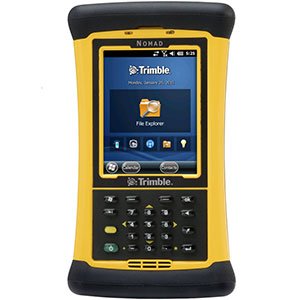
Extreme temperatures can significantly impact the performance and longevity of your smartphone’s battery. Whether it’s the scorching heat of summer or the biting cold of winter, understanding how these conditions affect your device can help you maintain its functionality and lifespan. Knowing the right practices can keep your phone alive during these challenging weather conditions.
In addition to battery performance, using accessories like insulated pouches and following proper charging rules can further protect your device. This article explores how to manage your smartphone’s battery in extreme temperatures and the best accessories to ensure it stays operational.
Understanding Battery Performance
Smartphone batteries are typically lithium-ion, which can behave unpredictably in extreme temperatures. High temperatures can lead to faster battery degradation, while cold temperatures can cause a temporary decrease in battery capacity. Knowing how to handle your device in these conditions can mitigate potential damage.
When exposed to heat, batteries can swell, leading to physical damage and reduced efficiency. Conversely, cold temperatures can cause the battery to drain faster and may even prevent your device from turning on. Understanding these effects is crucial for maintaining your phone’s health.
Effects of Heat on Battery Life
In hot weather, batteries can lose charge more quickly and may not hold a charge as well as they do in moderate temperatures. It is essential to avoid leaving your phone in direct sunlight or in a hot car, as this can cause overheating.
To protect your phone in heat, consider using a reflective phone mount or a case designed for heat resistance. Keeping your device shaded and cool can prolong battery life and prevent overheating issues.
Effects of Cold on Battery Life
Cold weather can cause a substantial drop in battery performance. The chemical reactions that produce energy in lithium-ion batteries slow down in low temperatures, leading to reduced efficiency and quicker drainage.
When using your phone in cold conditions, try to keep it close to your body or in a warm pocket. This can help maintain an optimal battery temperature, ensuring your device stays functional throughout the day.
Using Insulated Pouches
Insulated pouches are a great solution for protecting your phone from extreme temperatures. These pouches help maintain a stable temperature, providing a barrier against both heat and cold.
When choosing an insulated pouch, look for one that has a reflective exterior and a soft lining. This combination will help shield your device from temperature fluctuations while preventing scratches and other damage.
Charging Practices in Extreme Conditions
Charging your phone in extreme temperatures can also affect battery health. It is best to avoid charging your device in excessively hot or cold environments. Charging in such conditions can lead to overheating or inefficient charging cycles.
To protect your battery, try to charge your phone in a room-temperature environment. If you must charge your phone in extreme conditions, consider using a wireless charging stand that allows for better airflow around the device.
Choosing the Right Accessories
Accessories like protective cases, phone mounts, and charging stands can provide additional support in varying temperatures. A good case will not only protect against drops but can also offer some insulation against heat and cold.
Recommended Accessories
- Heat-resistant cases
- Insulated pouches
- Wireless charging stands
- Universal phone mounts
When selecting accessories, consider those designed specifically for temperature regulation. These can enhance your device’s resilience against environmental factors.
Monitoring Battery Health
Regularly monitoring your phone’s battery health can help you understand how it responds to temperature changes. Most smartphones have built-in tools to check battery health, which can provide insights into its performance over time.
If your battery is consistently losing charge or overheating, it may be time to consider replacing it. Keeping track of these changes can help you avoid unexpected shutdowns and maintain your device’s usability.
Protecting Your Phone During Outdoor Activities
If you plan to engage in outdoor activities during extreme weather, take extra precautions. Use a phone mount to keep your device secure while you’re on the go, and make sure it’s adequately insulated.
Additionally, limit the use of power-intensive applications during extreme temperatures. This can help conserve battery life and prevent overheating, ensuring your phone remains functional longer.
The short version
To keep your phone alive in extreme heat and cold, avoid exposing it to direct sunlight or freezing temperatures. Use insulated pouches and protective accessories to maintain optimal conditions. Charge your device in moderate environments, and monitor battery health regularly to ensure longevity. Following these practices will help protect your smartphone throughout the year.
Protecting Your Phone’s Battery in Extreme Temperatures
Extreme temperatures can significantly impact your phone’s battery performance. At high temperatures, batteries may overheat, leading to reduced capacity and a shorter lifespan. Conversely, cold conditions can cause batteries to drain quickly and may even prevent them from charging altogether. Understanding these behaviors is crucial for maintaining optimal battery health.
To safeguard your device, consider using insulated pouches that help regulate temperature. Additionally, following proper charging practices—like avoiding charging in direct sunlight or freezing environments—can protect your battery. By being mindful of temperature extremes, you can ensure your phone remains functional and efficient throughout the year.
Where to go next
Everything discussed here lives in Trackers and Desk Gear. If you are weighing two options and cannot decide, the answers page covers the questions we get asked most, and a message reaches the people who pack the orders.
From that section
- Trimble Nomad 900 Series Rugged Handheld Computer
- LskoYtsa Hey368888 Phone Mount – Pink
- KeySmart SmartCard Gen 2 MFI Wallet Tracker